
I. Raw Material Preparation and Drying
The first step in plastic injection molding is the preparation of raw materials. Plastic pellets or powders must undergo a rigorous drying process to remove moisture and impurities. Drying temperatures and durations vary depending on the specific material; for instance, ABS plastic typically requires drying at 80°C for 2–4 hours. Once dried, the material is fed into the injection molding machine's hopper via an automated feeding system, readying it for the subsequent processing stages.
II. Melting and Injection Molding
Upon entering the injection molding machine, the plastic material is gradually heated and melted within the heating barrel. Precise temperature control is critical: temperatures that are too high can cause the plastic to degrade, while temperatures that are too low can impair its flow properties. Driven by a screw, the molten plastic is injected through a nozzle into a closed mold. Injection pressure and speed must be carefully regulated to ensure the plastic completely fills the mold cavity, while preventing defects such as flash (excess material) or short shots (incomplete filling).
III. Cooling and Post-Processing
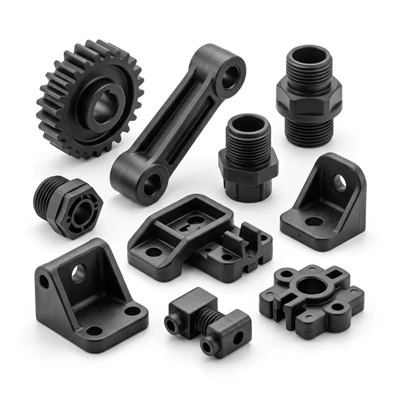
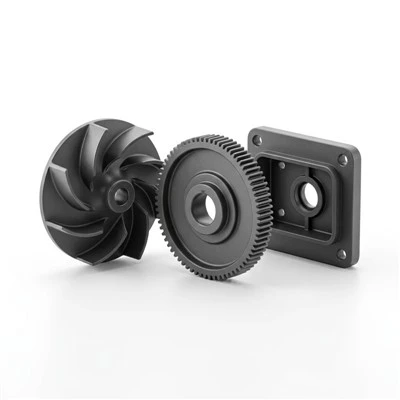
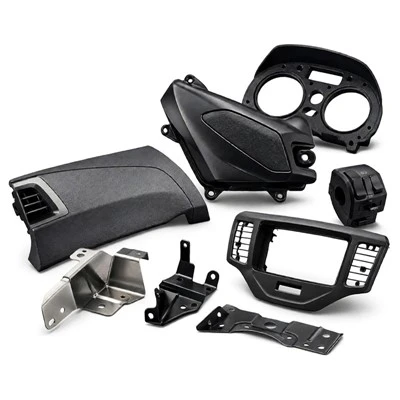
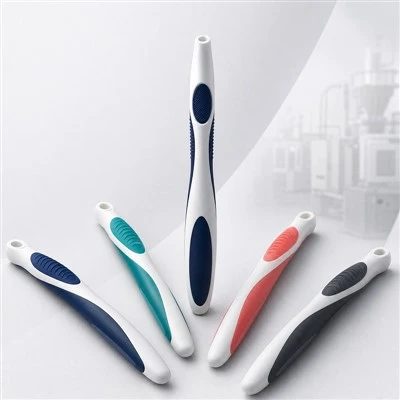
After the plastic has cooled and solidified within the mold cavity, the mold opens, and the finished part is ejected. Cooling time - which depends on the thickness of the product and the type of plastic used - typically accounts for 60%–80% of the total production cycle. Once removed from the mold, the parts may undergo post-processing steps, such as trimming excess material (flash), surface treatment, or secondary operations, to meet final functional or aesthetic requirements.