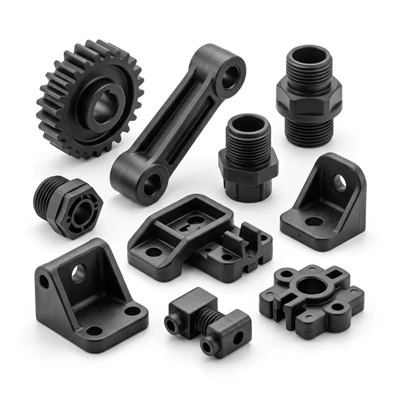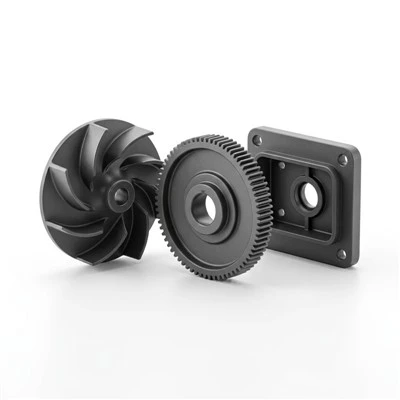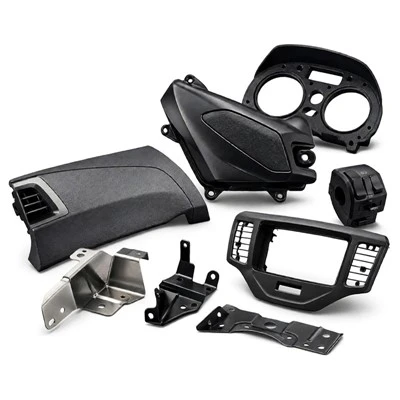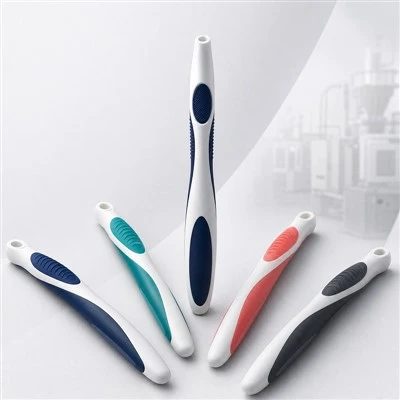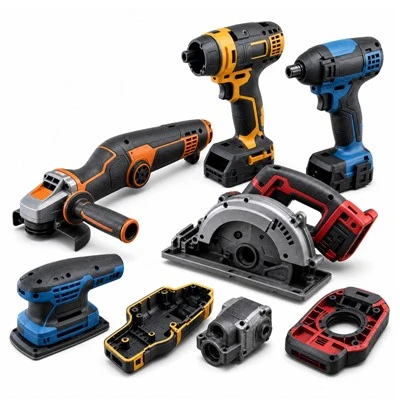

The core of plastic injection molding technology lies in melting plastic raw materials at high temperatures, injecting them into precision molds, and allowing them to cool and solidify. This process yields products with stable dimensions and complex structures. What, then, are the key control points for this technology?
1. Raw Material Selection
All plastic products originate from petroleum derivatives. The type of raw material directly determines the mechanical strength, temperature resistance, transparency, and other properties of the finished product. For instance, thermoplastics (such as PP or ABS) can be melted and molded repeatedly, making them suitable for everyday consumer goods; conversely, phenolic resins (Bakelite) are often used for electrical components due to their high-temperature resistance. Engineers must select the appropriate raw material based on specific product requirements.
2. Injection Molding Machine Selection
When selecting an injection molding machine, three primary parameters are critical: clamping force (measured in tons), shot capacity (weight in grams), and injection speed (cm/s). Insufficient clamping force can cause the mold to be forced open by the high-pressure molten plastic, resulting in "flash" (excess material along the seams). An inadequate shot capacity, meanwhile, will fail to fill a large mold cavity. Specialized applications - such as dual-color mobile phone cases - require multi-color injection molding machines, while the production of PET bottle preforms necessitates a dedicated screw design to handle the high-temperature shearing of crystalline materials.
3. Process Workflow
A complete injection molding process consists of six key stages: product design, mold development, raw material drying, melting and injection, holding and cooling, and demolding/post-processing. Mold development is the most time-consuming phase, accounting for up to 40% of the total timeline; for example, a mold for an automotive light cover may require 120 days of meticulous craftsmanship. During the melting phase, temperatures that are too low result in poor flow (leading to "short shots"), while temperatures that are too high cause material degradation. During the holding phase, sustained pressure is applied to compensate for material shrinkage and prevent depressions (sink marks). Modern, intelligent injection molding machines utilize pressure sensors to provide real-time feedback, allowing for the automatic adjustment of process parameters.
4. Defect Diagnosis
Common product defects often serve as indicators of an imbalanced process: "silver streaks" (streaks on the surface) suggest insufficient drying of the material; "weld lines" (where flow fronts meet) point to improper mold temperature or injection speed; and warping or deformation often stems from uneven cooling. Experienced engineers can determine whether impurities are present by examining fracture surfaces, and deduce mold temperature gradients by measuring dimensional deviations.
5. Future Trends
With the introduction of regulations such as the EU's plastic tax, bio-based materials (e.g., PLA) and chemical recycling technologies are reshaping the raw material landscape. In terms of manufacturing processes, artificial intelligence is being used to build "digital twin" systems; by simulating 100,000 parameter combinations, these systems reduce the number of trial molding iterations required - from the 30 typically needed under traditional methods to just 3.