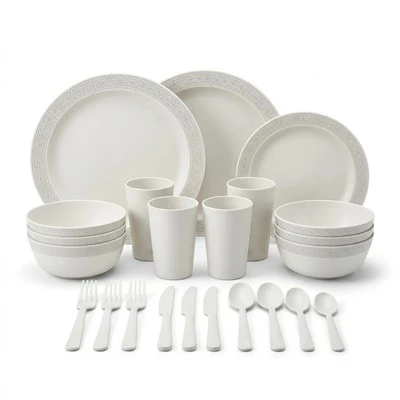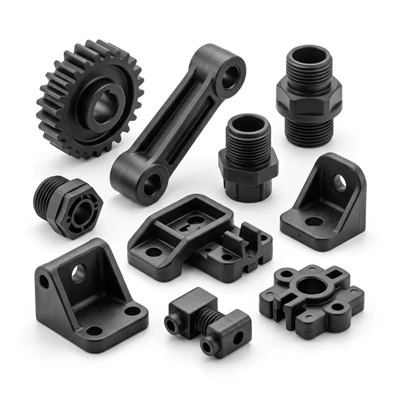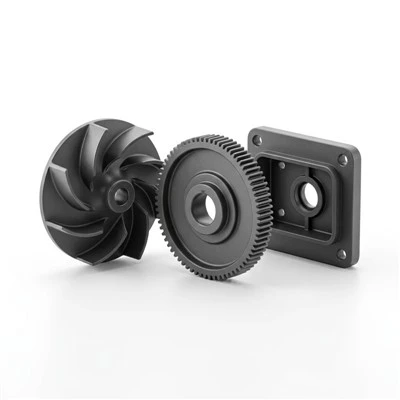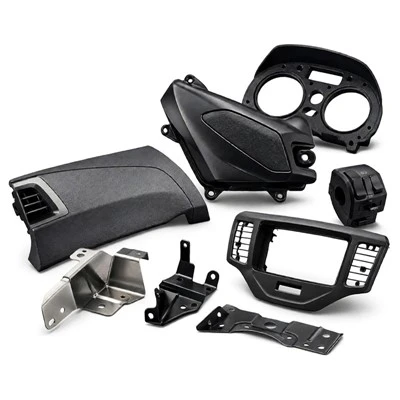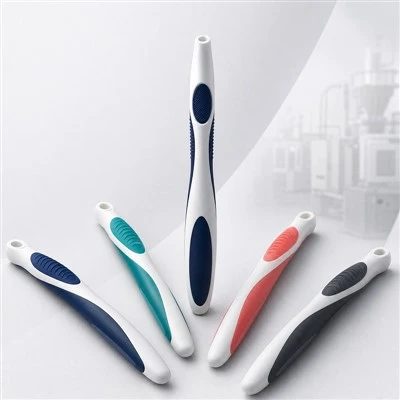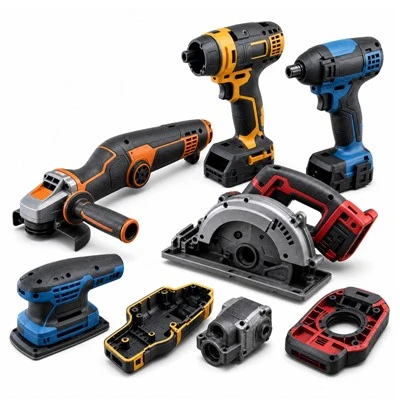

Many people assume that an injection mold and an injection molding machine form a rigid, one-to-one pairing; however, this view is quite limited. In modern industry, it is a well-established and highly efficient practice for a single mold to process two or more types of plastic, producing multi-colored or multi-material components. The core logic behind this lies in the specialized design of the mold, combined with precise process control.
I. The Fundamental Logic and Structural Characteristics of Multi-Material (Two-Color) Molding
Multi-material - or "two-color" - injection molding essentially utilizes a single mold (or an integrated in-mold system) to inject different plastic materials - often of varying colors - in two or more sequential stages. To achieve this, the mold must meet two strict requirements: first, the moving and stationary halves of the mold must correspond to separate injection units; second, the mold must incorporate a precise internal mechanism - such as a rotary table or a sliding component - that allows the solidified part from the first injection to be accurately repositioned under a different nozzle for the subsequent injection.
This structural design not only enables the combination of different colors but also allows for the integration of materials with distinct physical properties. For instance, a rigid material like polypropylene (PP) can be injected first to form a structural framework (such as a handle), followed by a second injection of a soft material like thermoplastic elastomer (TPE) to create a comfortable, tactile grip. The two materials bond securely at the molecular level, eliminating the need for adhesives. The most straightforward way to determine if a mold supports multi-material processing is to check for the presence of two independent gating systems and complex mechanical moving parts.
II. Key Process Parameters and Material Compatibility
While a single mold can accommodate multiple materials, not just any combination of plastics will work together. If there is a significant disparity in shrinkage rates or heat resistance between the two materials, the finished part is highly prone to warping, deformation, or delamination (peeling apart) after being ejected from the mold.
In practice, one must adhere to the principle that the "base" (primary) material should have a higher heat resistance than the "secondary" (overmolded) material. For example, a high-heat-resistant plastic like polycarbonate (PC) might be injected first, followed by a material with lower heat resistance, such as acrylonitrile butadiene styrene (ABS). Furthermore, the two materials must exhibit good compatibility, or the design must incorporate a specialized bonding interface to ensure a strong, durable connection. The criterion is as follows: when switching materials, the barrel must be purged to prevent cross-contamination. Furthermore, the temperature setting for the second injection must be strictly determined with reference to the heat deflection temperature of the first-molded component to avoid thermal damage.
III. Application Limitations and Cost Considerations
Although dual-material (two-color) molds are highly versatile, they are not a universal solution. Due to their complex construction, such molds typically cost 1.5 to 2 times as much as single-material molds and demand exceptionally high control precision from the injection molding machine. For products with a simple, single-color appearance, opting for dual-material equipment would merely result in unnecessary additional costs.
Therefore, before deciding to employ multi-material injection molding, one must evaluate the product's added value. For high-value items - such as automotive interior components or power tool handles - where specific tactile qualities or anti-slip properties are required, a dual-material approach offers clear advantages. Conversely, for standard items like packaging lids or basic enclosures, single-material injection molding remains the most cost-effective choice. One should never blindly pursue complex manufacturing processes at the expense of overall production cost control.