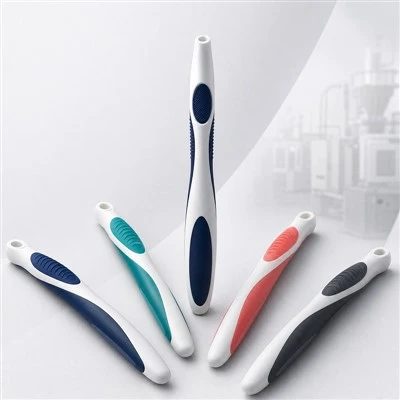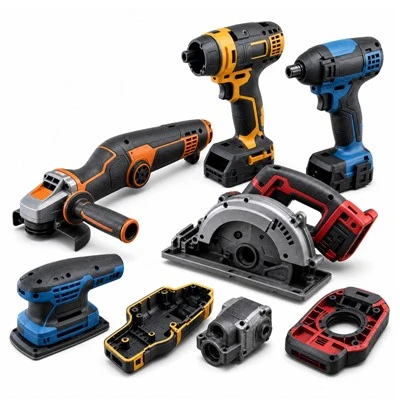

Two-color injection molding and single-color injection molding are two common plastic molding processes that differ significantly in terms of operational procedures, product characteristics, production costs, and application areas.
I. Differences in Operational Procedures
Single-color injection molding - the conventional, single-stage molding process - involves injecting molten plastic into a mold, which is then cooled and solidified to produce a finished part. This process is straightforward and offers high production efficiency.
Two-color injection molding (also known as multi-material or multi-shot injection molding) is a more complex process. It requires the injection of two different plastic materials into a single mold, combining them to achieve specific product characteristics. Two-color injection molding machines are typically equipped with two or more injection units, allowing different plastic materials to be injected sequentially into the same mold. This technology enables the creation of products with unique visual effects and tactile qualities, thereby increasing their added value.
II. Differences in Product Characteristics
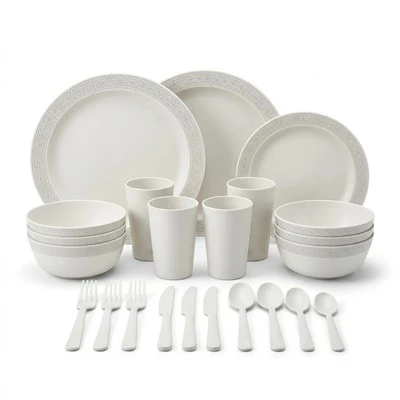
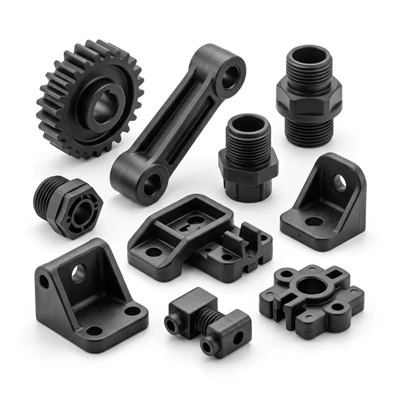
Products created via single-color injection molding tend to have simpler designs and color schemes. However, due to the simplicity of the production process and lower costs, this method is well-suited for high-volume manufacturing. Such products are widely used in everyday consumer goods, home appliances, and electronic devices.
Products made through two-color injection molding feature more complex and unique appearances and performance properties. This technology allows for the seamless integration of two different materials or colors within a single product, enhancing its visual depth and tactile appeal. Furthermore, two-color injection molding can be used to enhance specific functional aspects of a product - for instance, by combining soft and hard materials to improve both comfort and utility.
III. Differences in Production Costs
Because the process is simple and highly efficient, single-color injection molding is relatively cost-effective - a key advantage that has secured its prominent position in the manufacturing industry.
In contrast, two-color injection molding entails higher production costs due to more complex equipment and a more intricate process. It requires higher-precision molds and machinery, as well as more rigorous quality control, all of which drive up production expenses. Nevertheless, the high added value and market competitiveness of two-color injection-molded products often offset these additional costs.
IV. Differences in Application Fields
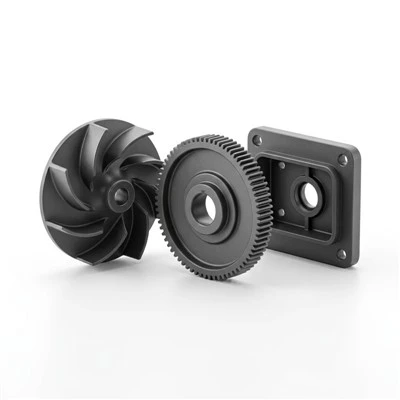
Single-color injection molding is widely used across various sectors, particularly in scenarios requiring large-scale production - such as home appliances, electronic products, and automotive components. These products generally do not demand a high degree of variety in color or design; instead, the focus is primarily on cost-effectiveness and efficiency.
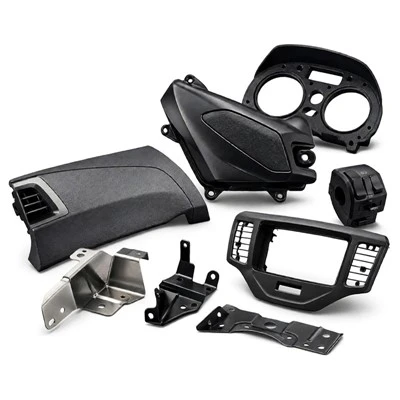
In contrast, two-color (dual-material) injection molding is typically employed in fields that place a greater emphasis on product design and functionality, including consumer electronics, medical devices, and automotive interiors. Products in these sectors require more sophisticated craftsmanship and a superior aesthetic appeal to attract consumers or meet specific functional requirements.
In summary, while both two-color and single-color injection molding are essential plastic-molding technologies, they differ significantly in many respects. The choice between them depends on the specific requirements of the product, the production budget, and the intended market positioning.