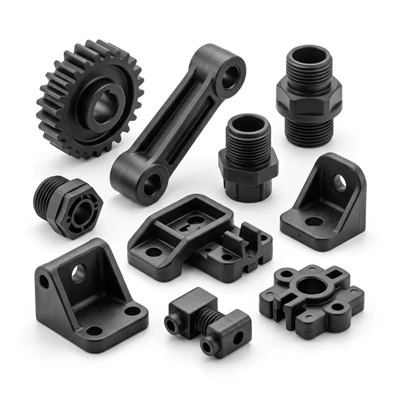

Material Matching: Select appropriate materials based on the operating environment (e.g., temperature, humidity, corrosiveness); for instance, prioritize stainless steel or aluminum alloy for outdoor equipment.
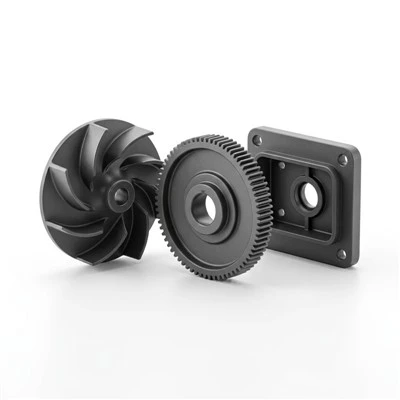
Precision Requirements: Components subject to high loads or high-speed operation require high-precision machining to prevent vibration or wear.
Cost Control: For large-volume procurement, balance quality against price by selecting suppliers that offer the best value.
Certification and Compliance: Ensure products meet industry safety standards (such as UL or CE) and environmental regulations (such as RoHS).