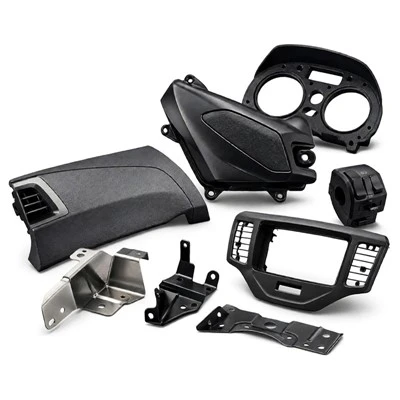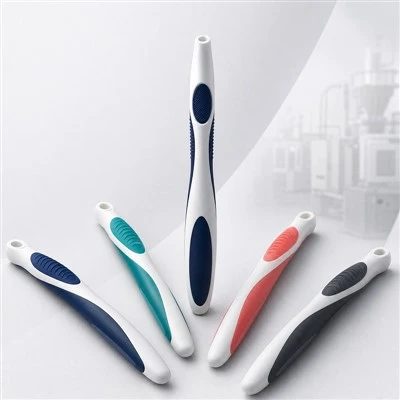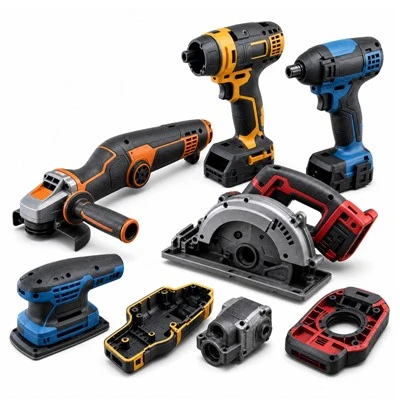

Injection molding is a manufacturing process in which plastic pellets are heated until molten, injected into a mold, and then cooled and solidified to form plastic products. The core of this process involves using an injection molding machine to plasticize the material and inject it under high pressure. It is widely used in the production of automotive parts, electronic enclosures, and everyday consumer goods.
I. Basic Principles of Injection Molding
- The complete injection molding process consists of five key stages:
- Plasticization: Plastic pellets are heated within the injection molding machine's barrel until they reach a molten state.
- Injection: A screw pushes the molten plastic into the mold cavity at high speed.
- Holding (Packing): Pressure is maintained to compensate for material shrinkage.
- Cooling: The product takes its final shape while inside the mold.
- Ejection: The mold opens, and the finished product is pushed out.
🔍 Key Control Points: The precise coordination of temperature, pressure, and speed determines the quality of the final product.
II. Injection Molding Equipment Systems
Based on their drive mechanisms, mainstream injection molding machines are categorized into three types:
- Hydraulic: Offers high power, making it suitable for large-scale products.
- Electric: Provides high precision with lower energy consumption.
- Hybrid: Balances speed and energy efficiency.
When selecting a machine, parameters such as clamping force and shot capacity must be considered; furthermore, the design of the injection screw directly influences the effectiveness of the plasticization process.
A complete injection molding production line also requires various auxiliary equipment:
- Heating bands (on the machine barrel) ensure uniform temperature.
- Hydraulic systems provide stable power.
- Cooling systems regulate the molding cycle.
- Robotic arms (manipulators) enable automated part removal.
📌 System compatibility is often more critical than the performance of an individual machine.
III. Applications in Materials Science
The specific characteristics of different plastic raw materials determine their ideal applications:
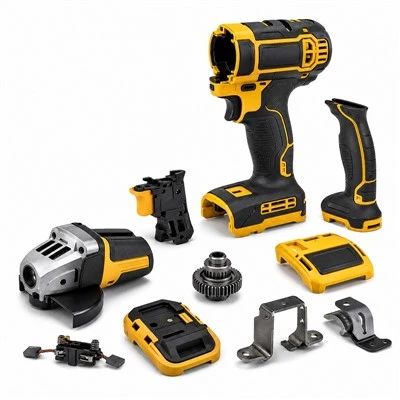
- ABS: High mechanical strength; suitable for electronic enclosures.
- PP: Resistant to chemical corrosion; used for food containers.
- PC: Excellent light transmission; used for manufacturing lighting components.
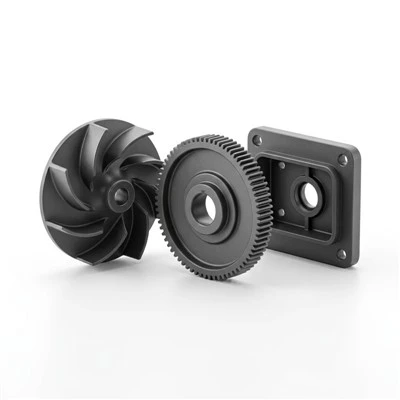
- PA (Nylon): High wear resistance; used for industrial gears.
Material properties can be further enhanced through the addition of colorants or other additives.
IV. Industrial Manufacturing Scenarios
In the industrial sector, injection molding is primarily used to produce three categories of products:
- Precision plastic components: e.g., automotive oil pump housings.
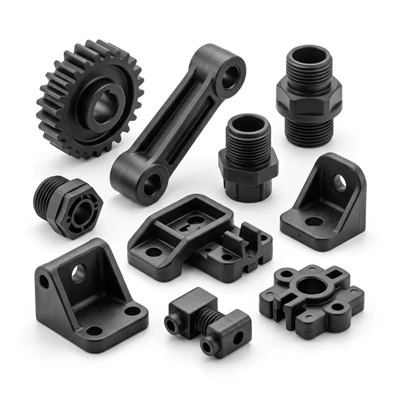
- Industrial plastic accessories: e.g., pipe fittings, bearing cages.
- Functional plastic molds: e.g., multi-cavity molds, stack molds.
✅ The key advantages are high consistency and low costs in large-scale production.
In the consumer goods sector, the focus shifts toward design flexibility:
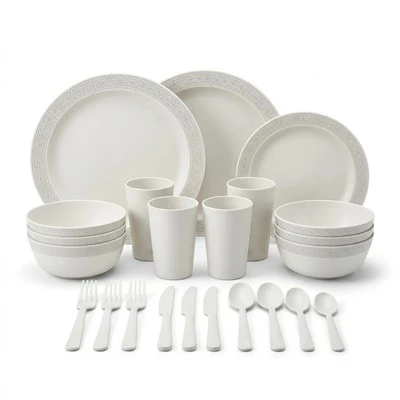
- Plastic household items: e.g., storage bins, tableware.
- Plastic toys: e.g., building blocks, models.
- Plastic packaging: e.g., cosmetic bottles, pharmaceutical containers.
Product iteration can be rapidly achieved by adjusting the structure of the plastic molds.
V. Pathways to Automation Upgrades
Modern injection molding facilities frequently employ robotic arms to achieve:
- Automated part removal: Eliminating the need for manual handling of high-temperature products.
- In-mold insertion: Enhancing production efficiency for composite components.
- Quality sorting: Utilizing vision systems to reject defective parts.
💡 Automation is not merely a replacement for human labor; it is a restructuring of the entire production process.
As a core process in plastics manufacturing, injection molding is evolving toward greater precision, intelligence, and sustainability. Its value lies not only in its capacity for large-scale production but also in its ability to continuously expand the boundaries of application through material innovation and equipment upgrades.